fot. Maciej Mutwil (10)
Author: Martin Huć     Published At: 10.04.2026     Updated At: 13.04.2026
Share on facebook
Facebook
Share on linkedin
LinkedIn

Inspiring conversations during the Science Days of the Silesian University of Technology

Outstanding scientists from Poland and abroad, leaders of international research projects, including ERC grants, experts with established scientific positions, as well as representatives of the academic community and the socio-economic environment – on April 9th  and 10th , the Silesian University of Technology Science Days were held at the Educational and Congress Centre of the Silesian University of Technology.

The Silesian University of Technology Science Days are an event presenting the University's research potential and strategic directions of scientific development implemented within six Priority Research Areas (POB). The event program is interdisciplinary in nature – it combines reflection on global trends in science with discussion on innovation, commercialization and knowledge transfer. This year, particular attention was devoted to issues of strategic importance, including security, dual-use technologies, and space research.

fot. Maciej Mutwil (19)

Those gathered in the auditorium of the Education and Congress Centre were welcomed by the Rector of the Silesian University of Technology, Prof. Dr Hab. Eng. Marek Pawełczyk and the Vice-Rector for Science and International Cooperation, Prof. Dr Hab. Eng. Sebastian Werle.

- Science Days are taking place for the fourth time and are conducted entirely in English. We invited scientists from all over the world - on the one hand, so they could present what is currently most important in the development of science, but also so that we could get to know them better. These are people with great achievements, with extensive networks of contacts, implementing numerous projects and winning prestigious awards. We care about the development of the University and individual careers, so we wanted to give our scientists, doctoral candidates, and students a chance to get to know them and establish cooperation in the future, - explains the Rector Marek Pawełczyk.

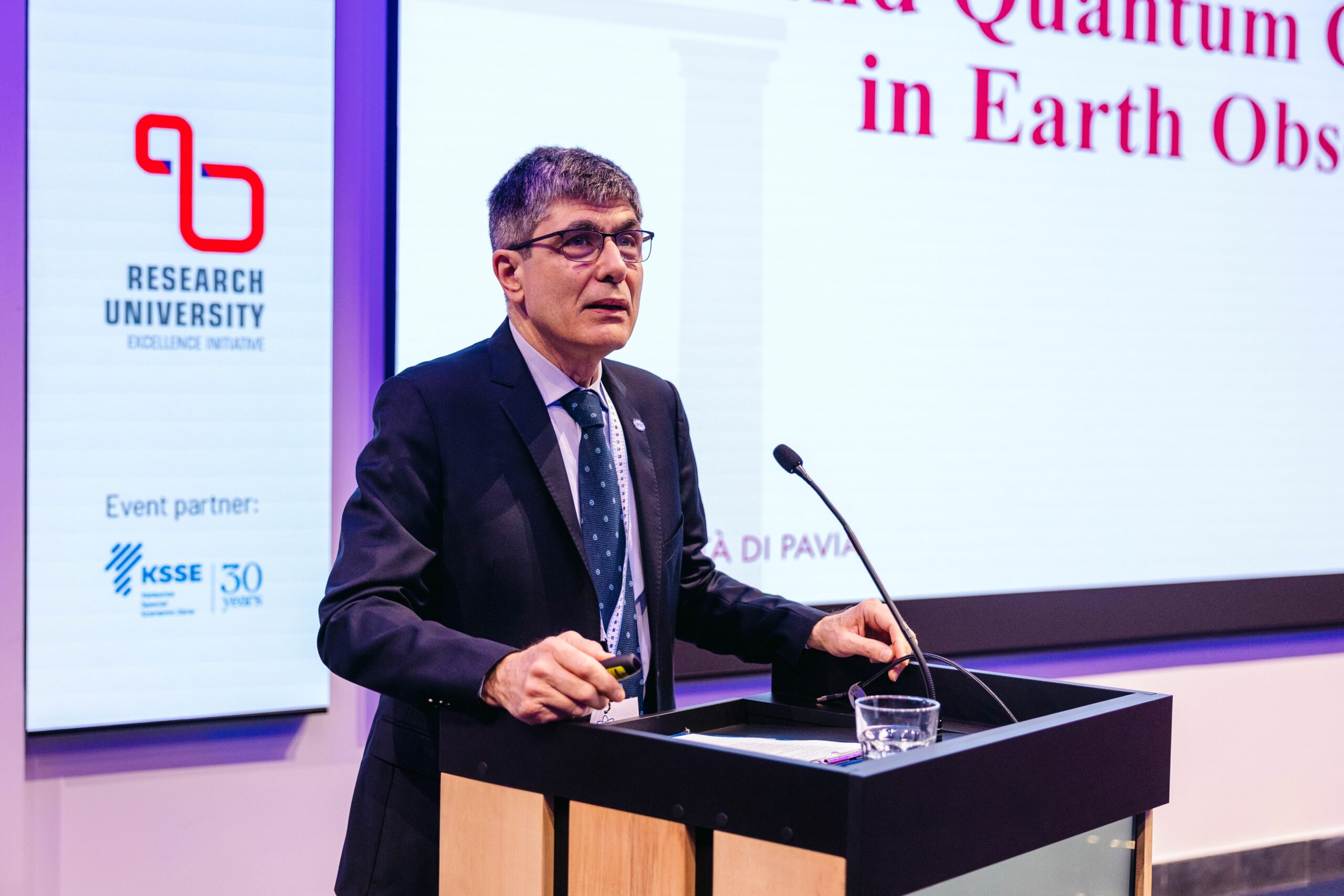
The conference opened with a lecture entitled "Space Technologies for AI and Quantum Computing in Earth Observation” delivered by Prof. Paolo Gamba from the University of Pavia – a specialist in remote sensing and satellite data processing and IEEE Fellow.

– Such events are very important for two reasons. The first, of course, concerns interdisciplinary research. The second is that there may be individuals and groups who work perfectly in different areas but do not fully understand each other. Having space to discuss and share what they do every day allows them to get to know each other better. I see this in my group of PhD students, who often don't know what others are doing. Thanks to conversation, they develop and cooperate. Sometimes it's important to stop for a moment and see what's happening in other areas. People need to talk to each other,-  explains Prof. Paolo Gamba.

fot. Maciej Mutwil (26)

Event participants discussed the most important challenges of contemporary science and technology and the role of universities in building a research advantage in a dynamically changing world. The main theme of the first day was “The potential and development of interdisciplinary research in the face of contemporary scientific and technological challenges,” to which two plenary sessions were devoted.

– We want to present the potential of the Silesian University of Technology. We have divided the conference into two days, during which we will also talk about commercialization, i.e. the transfer of research results. We invited distinguished guests – ERC grant winners, field experts, as well as people running spin-off and spin-out companies and specialists from institutes who deal with commercialization on a daily basis. I think that the event participants will find an interesting space for discussion here, explains Vice-Rector Sebastian Werle.

Our University also hosted, among others, Dr Cornelius Hagenmeier, Chairman of the Executive Board of the EURECA-PRO consortium, the highest executive body.

- We want to show that we are an active member of EURECA-PRO and play a significant role there, as well as present this institution to scientists from outside Europe - says Rector Marek Pawełczyk.

fot. Maciej Mutwil (34)

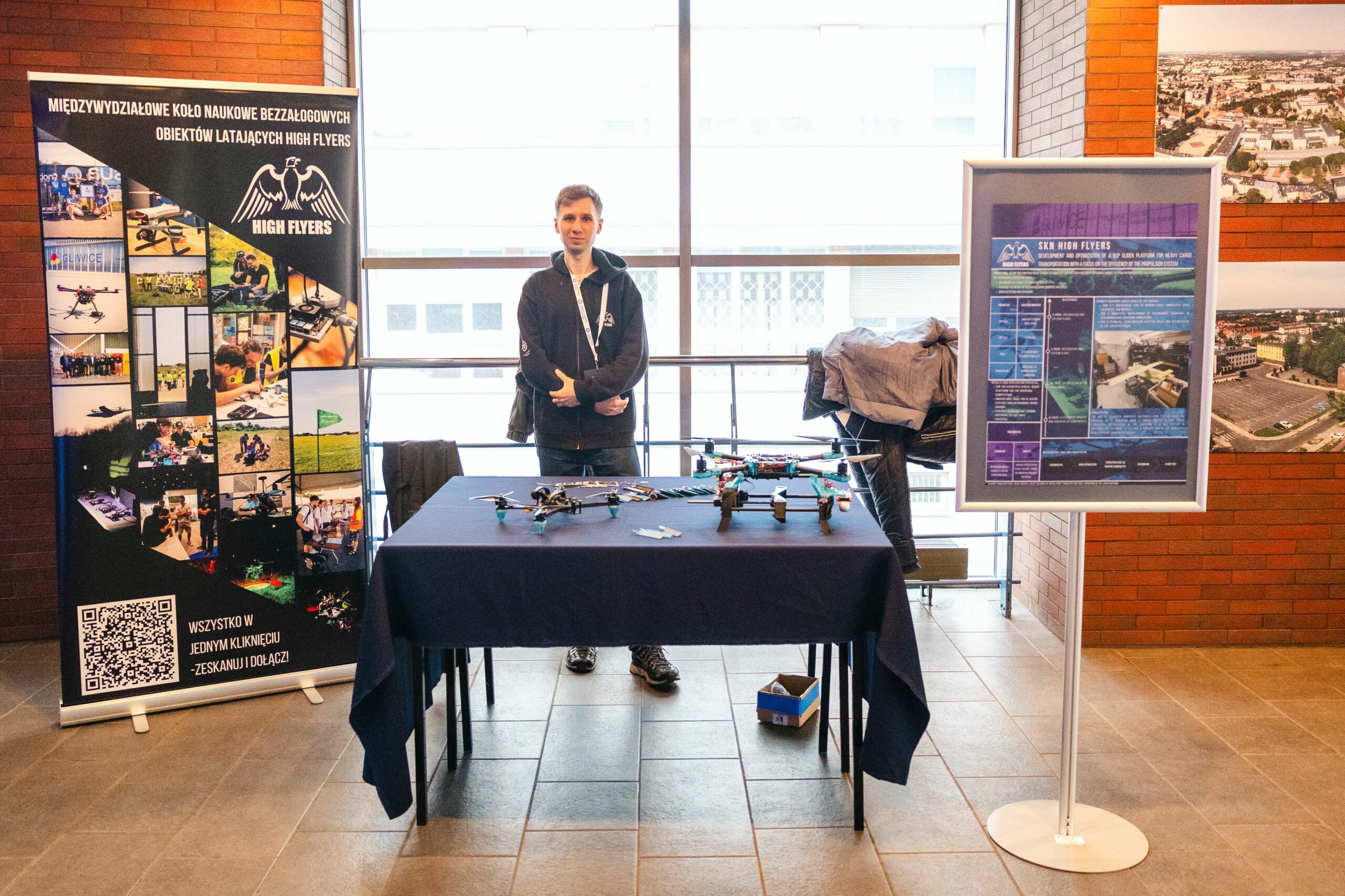
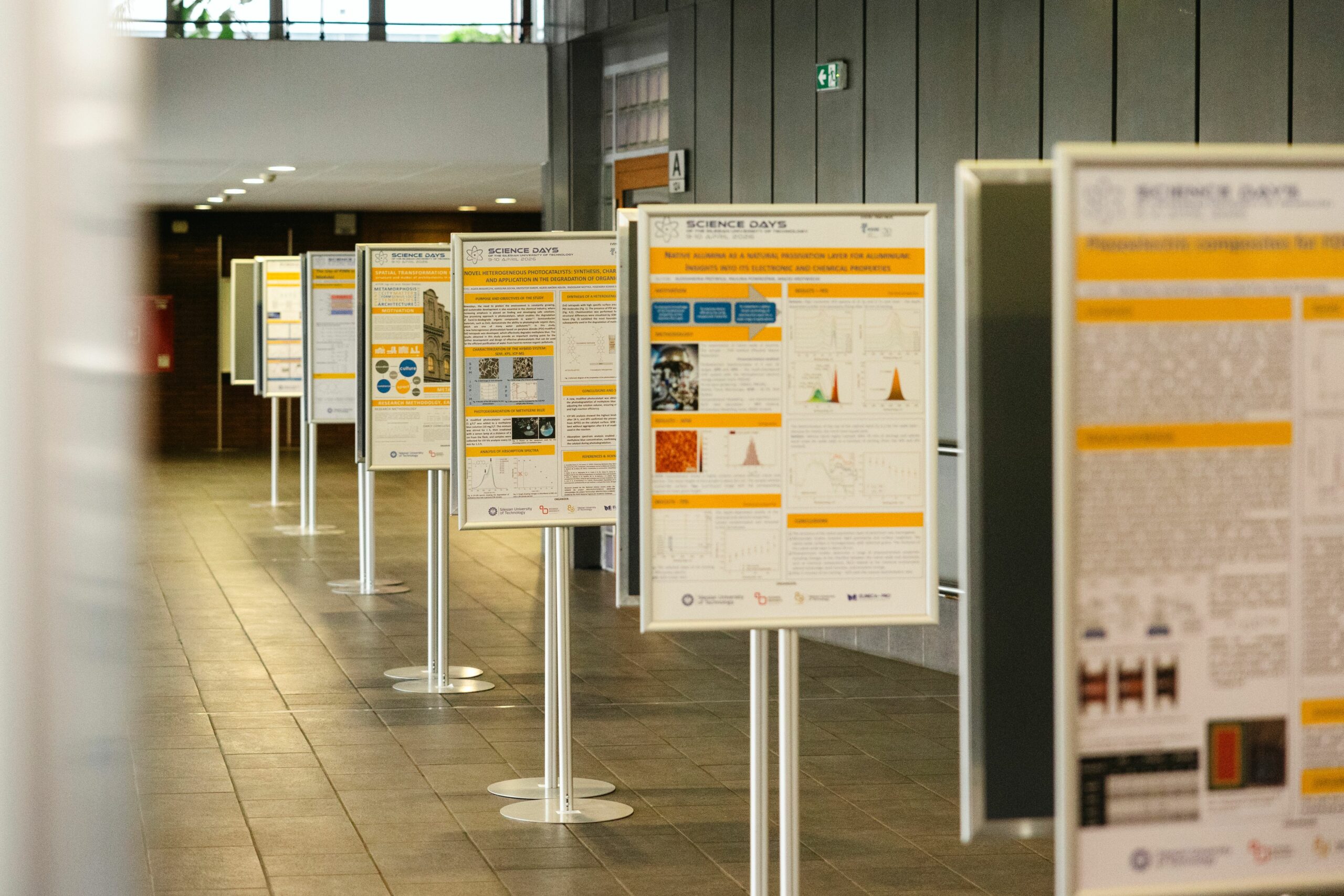
During the breaks between the panels, there was also an excellent opportunity to take part in presentations of student research groups and talk at information stands about project support and research commercialization. The Educational and Congress Centre also hosted a poster session in English with the participation of PhD students from the Silesian University of Technology.

– Each day, approximately 50 posters prepared by young scientists were presented. This is an element that is intended to inspire young people, but we also wanted them to gain experience and draw inspiration for further activities, - says Vice-Rector Sebastian Werle.

The poster entitled "Hydrogen-powered city buses: environmental life-cycle analysis in a Well-to-Wheel approach based on the example of Poland" was presented by, among others, the Chairwoman of the University Council of the Doctoral Students' Government of the Silesian University of Technology, M.Sc. Eng. Iga Przytuła.

– This is an excellent opportunity to present the results of our research not only to scientists from our University, but also to foreign guests. They can see at what stage our work is and in what direction we are developing our research. It's very beneficial for us that we don't have to travel far to develop soft skills related to research presentation, says Iga Przytuła.

fot. Maciej Mutwil (38)

The second day of the event focused on issues related to innovation, commercialization and knowledge transfer. The main theme this time was "Innovation, commercialization and knowledge transfer – Innovations that work: from laboratory to implementation."

The opening lecture entitled “Engineering Bone at the Intersection of Nature and Technology” was delivered by Prof. Maria Pau Ginebra Molins, ERC grant winner, who presented the path from basic research to its practical applications and the challenges related to the commercialization of research results in the academic environment.

- In the presentation, I described the work we carried out in my research group in Barcelona on biomaterials for bone regeneration. I also talked about how we translated this idea into the clinical field and introduced it as a product that is currently available on the market. So we have research and technology transfer here – explains Prof. Maria Pau Ginebra Molins. - Participating in this conference was a very good experience for me. I found myself in a very friendly environment and learned a lot. I think the conversations and the interpenetration of ideas were very interesting. We don't have this at my university, and I think I'll propose this initiative when I get back because it's very valuable. We work mainly in our field, we are very busy every day and we may forget about other, important areas.

fot. Maciej Mutwil (25)

The second day's program also included a panel discussion on the conditions for the development of academic innovations, as well as expert sessions on the implementation potential of research results, cooperation with industry, and models for commercialization and the creation of spin-off companies.

The event partner was the Katowice Special Economic Zone. 

fot. Jan Szady-1

© Silesian University of Technology

General information clause on the processing of personal data by the Silesian University of Technology

The authors - the organizational units in which the information materials were produced, are fully responsible for the correctness, up-to-date and legal compliance with the provisions of the law. Hosted by: IT Center of the Silesian University of Technology ()

Data availability statement

„E-Politechnika Śląska - utworzenie platformy elektronicznych usług publicznych Politechniki Śląskiej”

Fundusze Europejskie