

Start - Aktualności - Silesian University of Technology at the European Economic Congress
Silesian University of Technology at the European Economic Congress
From the 22nd to 24th of April, the European Economic Congress 2026 was held in Katowice. It is the largest and most opinion-forming meeting of representatives of the world of business, politics, science, and local governments in the Central Europe region. The event is attended by the authorities and scientists of the Silesian University of Technology.
For 18 years now, the European Economic Congress has been a space in which ideas and initiatives shaping the directions of economic development in Poland and Europe are created. This year’s event included three days of discussions, meetings and exchange of experiences, focused on the most important challenges of the modern world – building a strong, safe, and sustainable economy.
The Minister of Science and Higher Education Dr Eng. Marcin Kulasek, present at the event, stressed the key role of science in the economic development of the country and in building its security.
– The European Economic Congress is an event that annually brings together the world of economy, business, and industry – not only from Poland, but also from all over Europe and the world. The presence of science in this forum is inevitable because there is no economic development without science – he noted.
He added that it is the academic community that is behind Poland’s growing position on the international arena.
– This is due to Polish scientists, PhD students, professors, and students who build our potential and innovation. Thanks to them, Poland is today one of the largest economies in the world – he said.
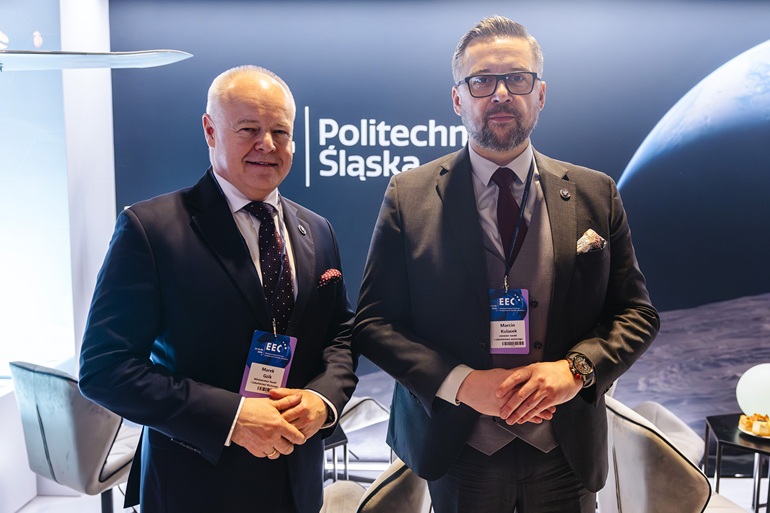
The Minister pointed out that in the face of the current geopolitical situation, the issue of security is of particular importance.
– There is no safe Poland without science and without the participation of Polish scientists in its development. That is why cooperation between science and business and industry is so important – he emphasized.
Referring to the condition of Polish science, the minister assessed it as very good, pointing to the growing activity in international projects.
- Polish scientists receive grants, participate in prestigious projects and are also present in the field of space technologies, - he said.
As an example of an inspiring figure, he pointed at Dr. Sławosz Uznański-Wiśniewski
- We need such ambassadors of science. It is they who inspire young people to choose the directions of the future – he concluded.
In turn, as emphasized the Deputy Minister of Science and Higher Education Prof. Marek Gzik, contemporary challenges clearly set the directions of the development of science and higher education, and these key areas dominate the debates during the Congress.
- Modern times pose challenges to us and clearly define our priorities – state security, energy transformation, digital technology development, and health protection, - he said.
The Deputy Minister pointed out that science has a key role to play in these areas.
– It is the universities that prepare specialists. Among them is the Silesian University of Technology, one of the best technical universities in Poland, which acts as a forge of human resources for the economy. Its graduates feed companies competing in international markets, and the advanced research conducted there contributes to the development of new technologies. This is also important from the point of view of technological sovereignty of Poland – emphasized the Deputy Minister.

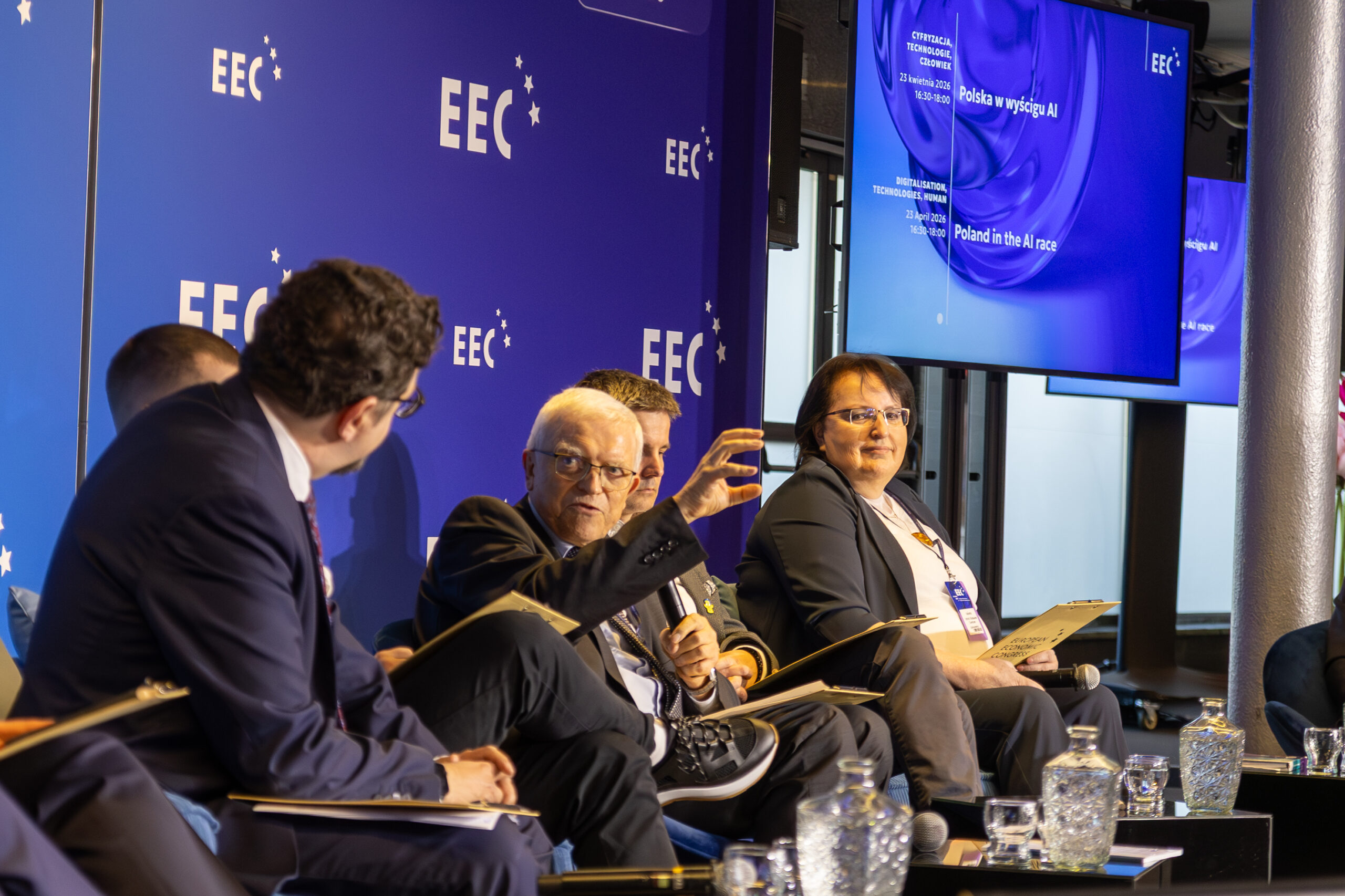
The debates during the European Economic Congress are attended by scientists of the Silesian University of Technology, among them the Rector of the University Prof. Marek Pawełczyk, who stressed that the Congress is today one of the most important forums for debate about the economy, science, and the future of higher education.
- This is the leading event in Poland, which allows us to discuss key topics with representatives of science, business, and industry - he said.
He added that universities must adapt to the dynamically changing social and economic reality.
- The world is changing, and we as a university have to respond to it. We educate students who later go to the economy and society – he said.
The Rector drew attention to the need to show the practical value of academic activity.
- The public must see that the funds allocated to science bring real results, - he stressed.
An important topic of the debates in which the Rector of the Silesian University of Technology participated was also the question of internationalization of the university.
- We must build internationalization in a conscious and responsible way, so as to retain as many talents as possible in Poland, - he said. He added that the integration of foreign students is also important.
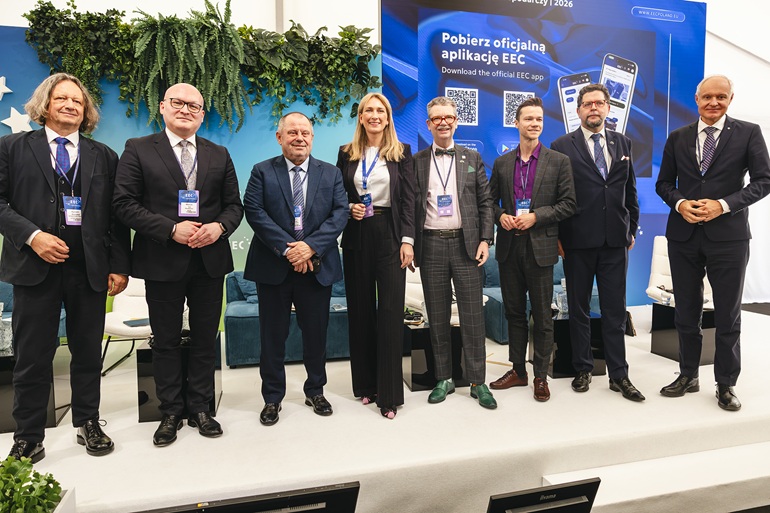
– People studying in Poland should learn Polish and be included in academic and economic life. It builds lasting relationships and gives long-term results - he said.
The Rector emphasized that the Silesian University of Technology is also actively developing in areas related to security and new defence technologies.
– The Silesian University of Technology is opening up to these challenges – new fields of study, specialties and graduation paths are being created. We have also set up a Centre for Defence and Dual-use Technologies to focus this area in one place.
The Rector also stressed the need for active participation of the University in key national programs.
- We must be present where Poland is involved in the most important projects. As a university, we have a lot to offer and we cannot stay aside - he concluded.
The European Economic Congress is also an opportunity for students and young scientists to present their projects.
– This is a unique opportunity to meet the academic community with representatives of companies and enterprises, both technological and operating in other sectors – says Jakub Gurgul from SKN Silesian Phoenix.
As he noted, such events allow students to better understand the practical dimension of the conducted research.
- We can show what we do on a daily basis and what are the real possibilities of commercialization of our research, - he added.
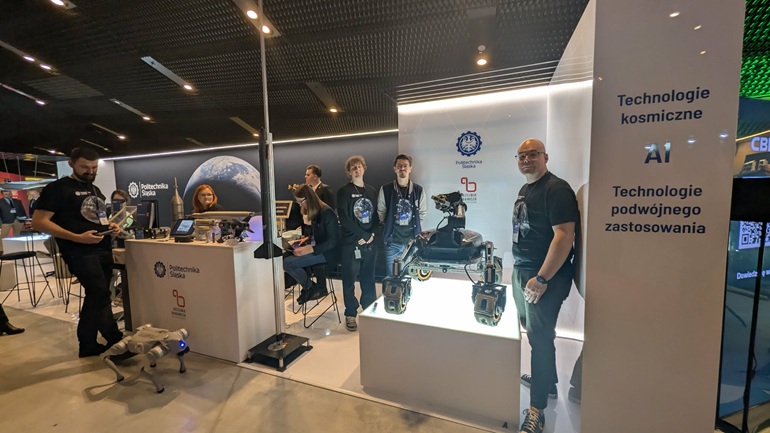
At the stand of the Silesian University of Technology students’ Research Clubs were present. Silesian Phoenix, which presented its rover, Silesian Aerospace Technologies rocket model, AI-METH – two robots, SpaceCoffee – VR goggles and HIGH FLYERS drones.

On the second day of the European Economic Congress, the topic of space technologies dominated panel discussions with the participation of our experts.
Dr Hab. Eng. Jarosław Kozuba, Prof. SUT, director of the Civil Aviation Personnel Training Centre of Central and Eastern Europe at the Silesian University of Technology took part in the first panel on human resources education for the needs of the space industry,
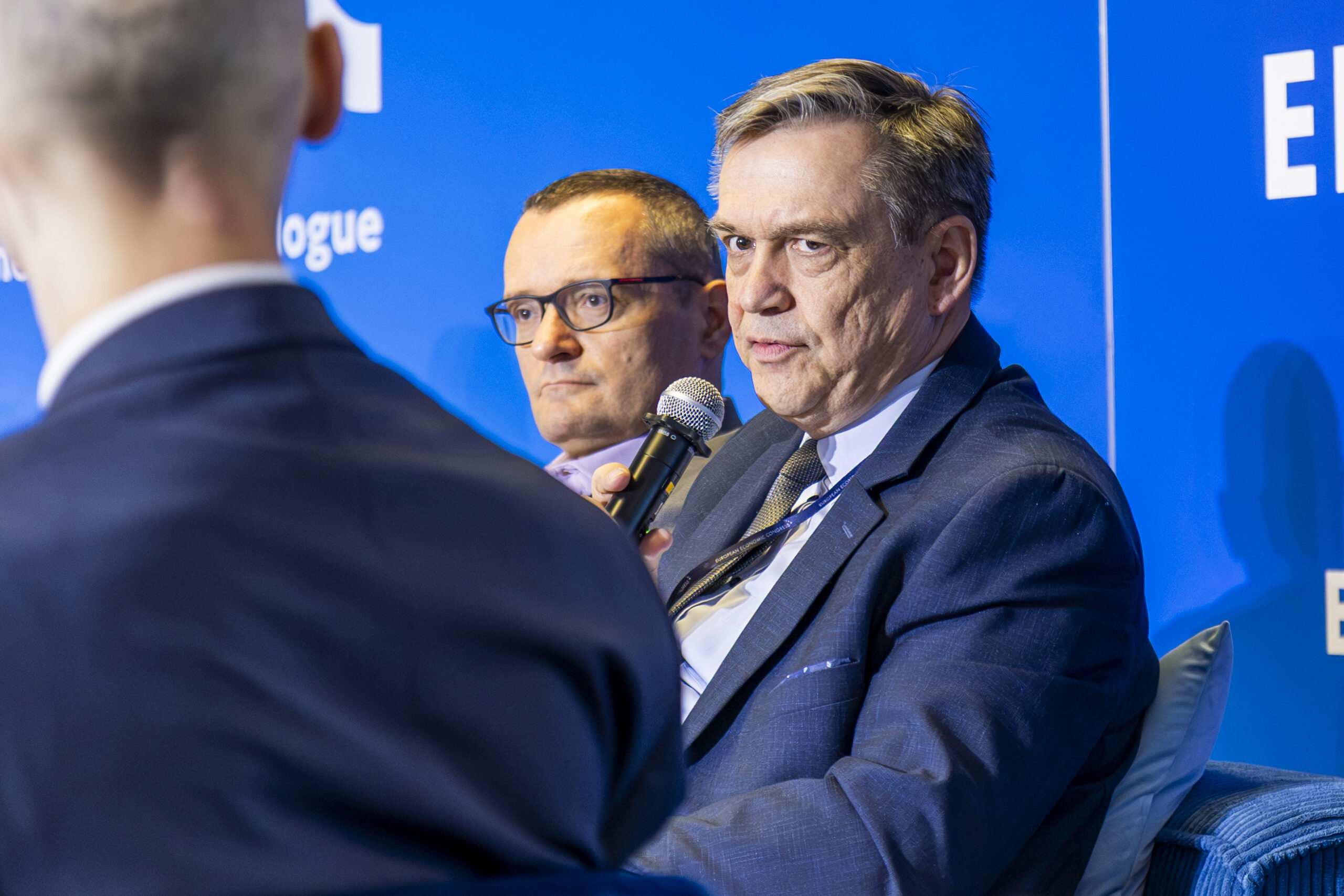
- Poland is among those countries that perceive education for the needs of the space sector in a proper way, because by educating engineers in the aviation industry, for example, we are aware that they can go to the space industry because they will solve similar problems, - said professor Kozuba. He also mentioned the education of students in the field of Aviation and Space Engineering.
- We have successfully conducted education in this field for four years This is to prepare the graduate to perform technological, material or design tasks that are performed in a similar way only in a slightly different environment in the space industry – he explained.
In another debate – Dr Hab. Eng. Jakub Nalepa, prof. SUT from the Department of Algorithmics and Software, Faculty of Automatic Control, Electronics and Computer Science talked about the needs of the space industry, which absorbs specialists, also in our region. The scientist himself is associated with KP Labs, which creates innovative projects in the space sector.
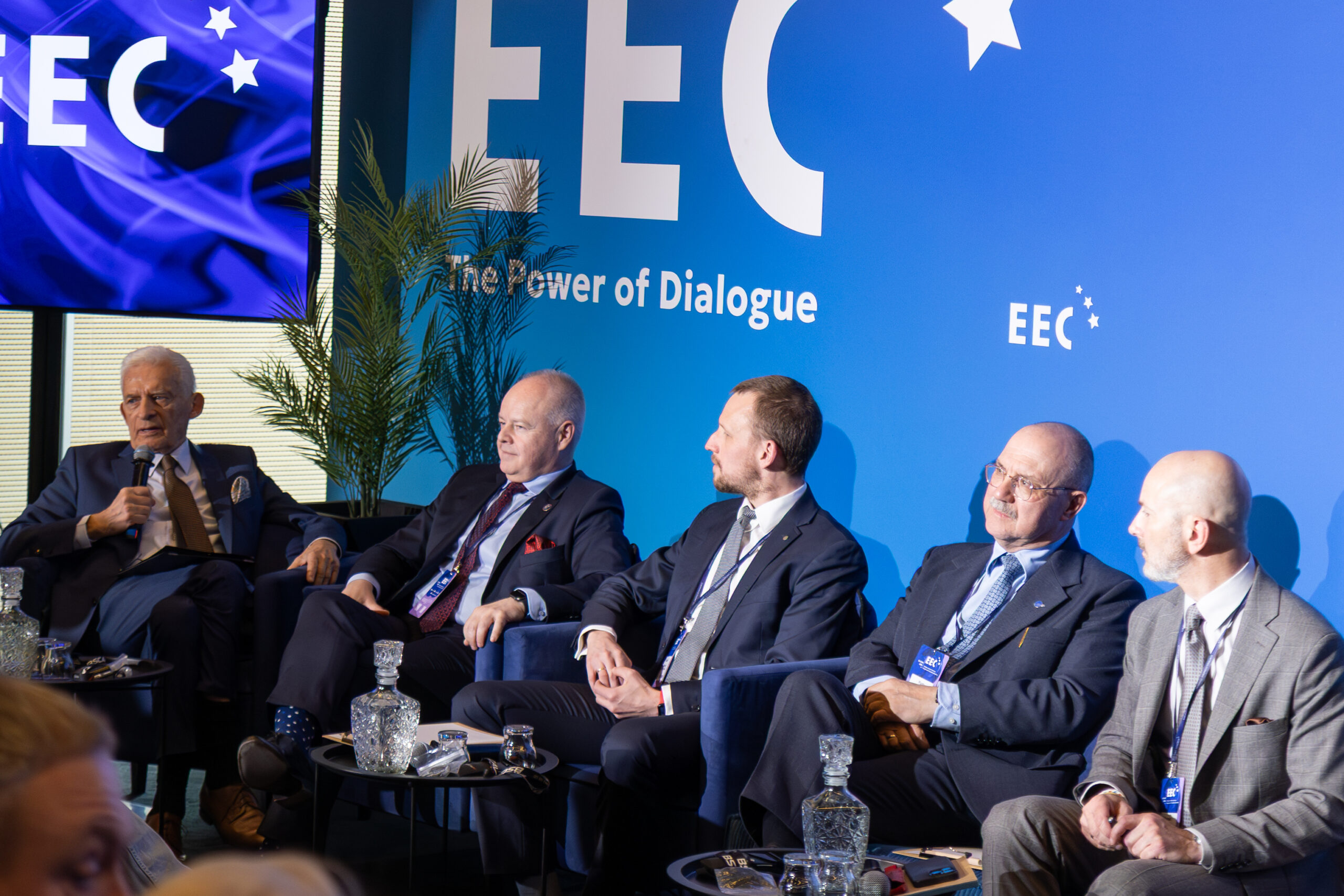
- Any engineer sooner or later has a chance to find his way into the space industry if he wants and works hard enough, - he said. - I am an expert in satellite data analysis. There are still a lot of challenges in this topic, which are strictly related to the space industry, and I know that this data is difficult to analyse, there are many job prospects in the future and this market needs specialists – he added.
In the debates with the participation of the Silesian University of Technology, the scientific potential of the University in this area was emphasized, which in the perspective of applying for the location of the European Space Agency centre in the Silesian Voivodeship was of great importance.
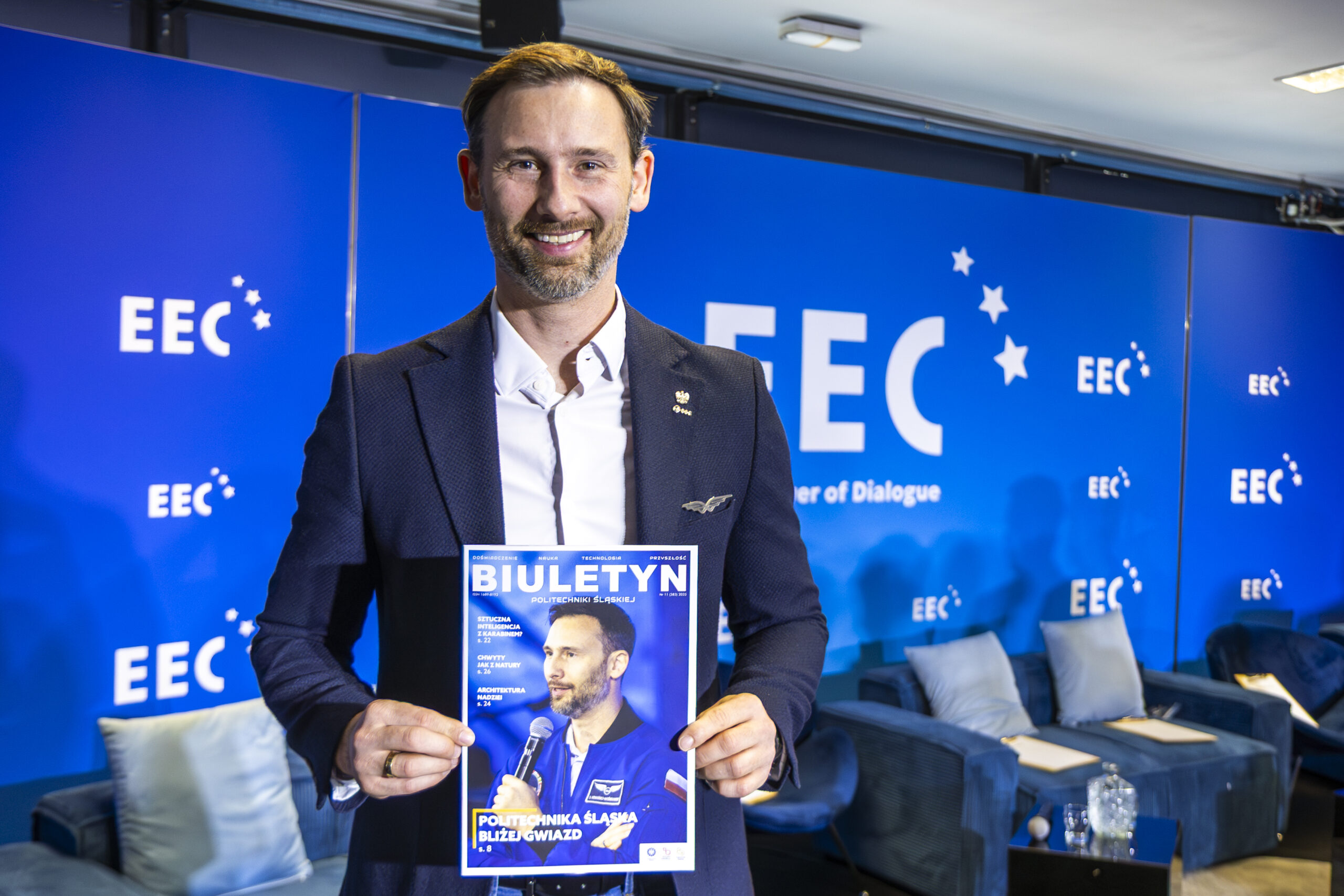
The potential of scientists from the Silesian University of Technology was also presented in other discussions about technological industries, which will be important in the future. Research and scientific potential in the field of artificial intelligence was discussed, among others, by Prof. Dr Hab. Eng. Marek Niezgodka, Director of the Centre for Technology and Computational Sciences of the Silesian University of Technology, and Dr Eng. Kamil Wereszczyński from the Department of Computer Graphics, Vision and Digital Systems at the Faculty of Automatic Control, Electronics and Computer Science spoke about quantum technologies.
- When I started my adventure with quanta about 6 years ago, it was said that in 15 years, just around the corner, great breakthroughs will take place These 15 years are moving forward again, and we don’t really know when it will happen. These technologies are very expensive to implement – explained Dr Wereszczyński. – We have set up a laboratory at the Silesian University of Technology in which we can produce pairs of entangled photons. Soon we will be doing the Bell experiment with human participation. We want to grow. In fact, we are planning some new projects, we are also developing education in this area, we are conducting the subject of quantum computing, but for full success it would be useful to have more cooperation with business and financial support to develop these technologies – he added.
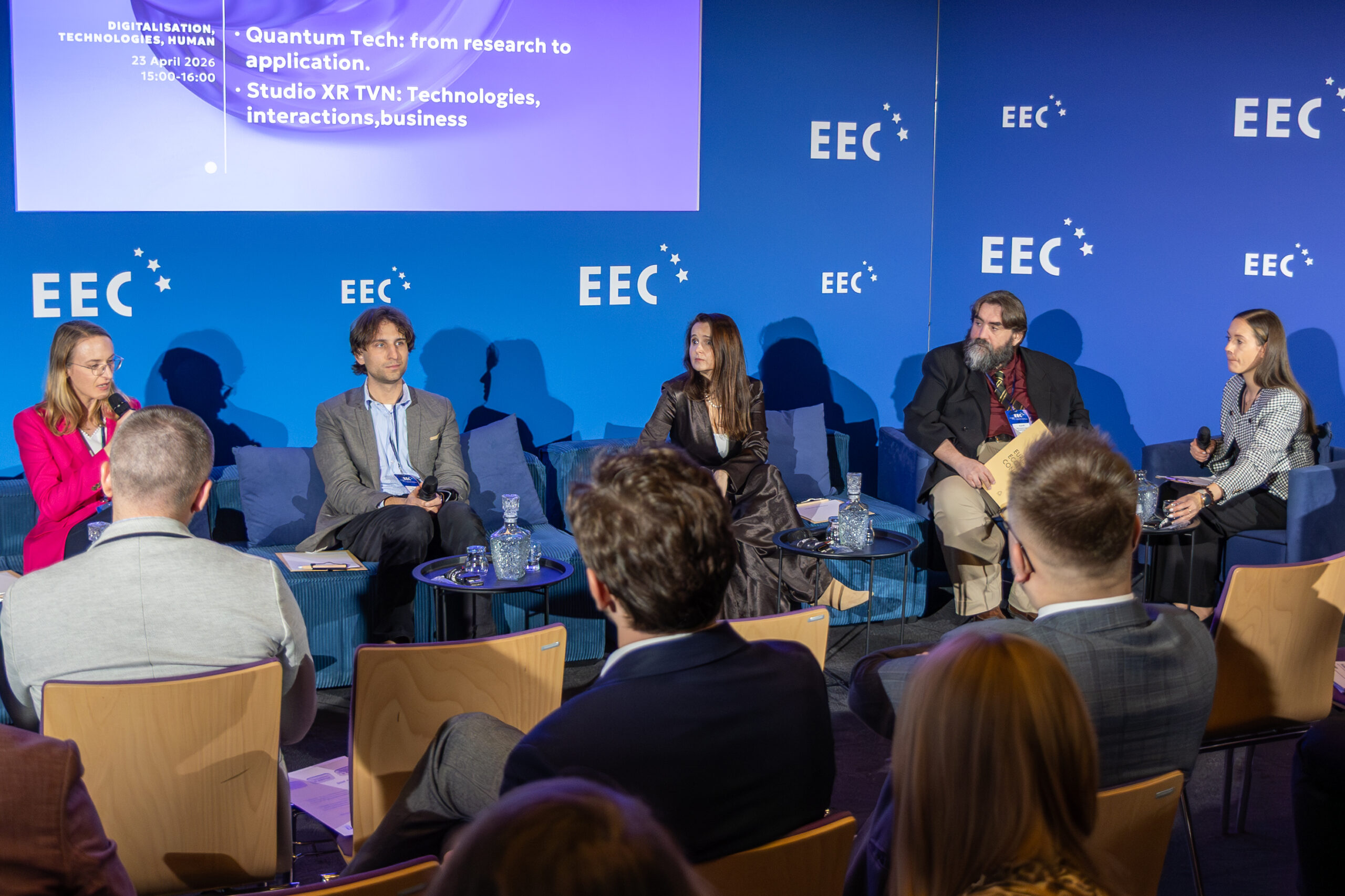
Quantum technologies are expected to accelerate data processing even further in the future. Talks between business representatives – people of science, which aim to establish cooperation between these sectors since the beginning of the European Economic Congress, have been held, among others, at the Silesian University of Technology stand and behind the scenes.
The event with the participation of our experts will last until Friday.
For more information about the European Economic Congress, visit: https://www.eecpoland.eu/2026/pl/.