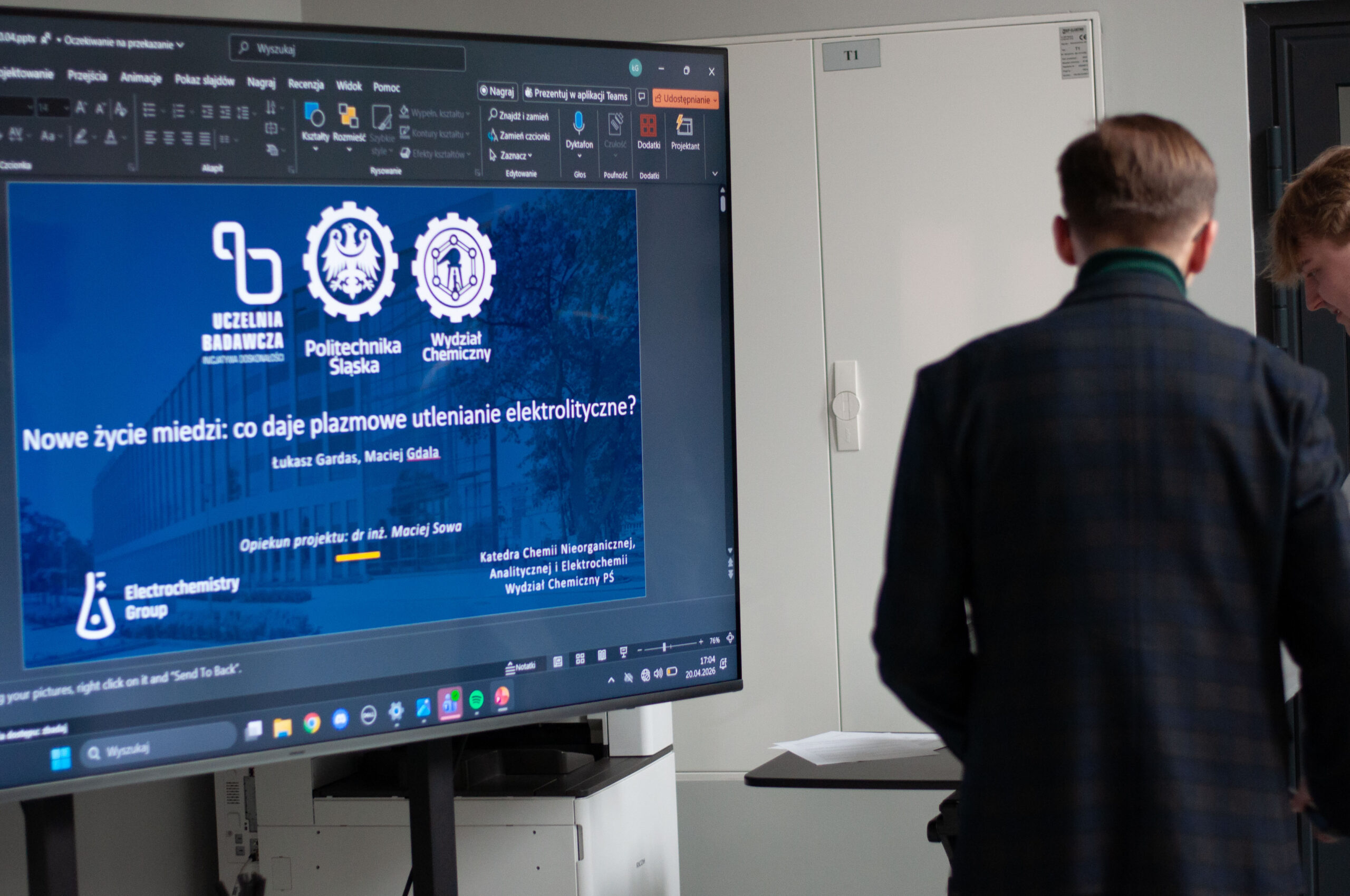
Assessment of the potential for improving the surface properties of copper alloys with zinc and nickel additions through the plasma electrolytic oxidation process
Programme title: Support for Students in Enhancing Their Competences and Skills (Call II)
Offer number: N190
Amount of funding and total project value: PLN 48,464.12
Internal acronym: Brass-a-nova (BAN)
Project duration: 7 January – 30 September 2026
A New Chapter for Copper and Its Alloys
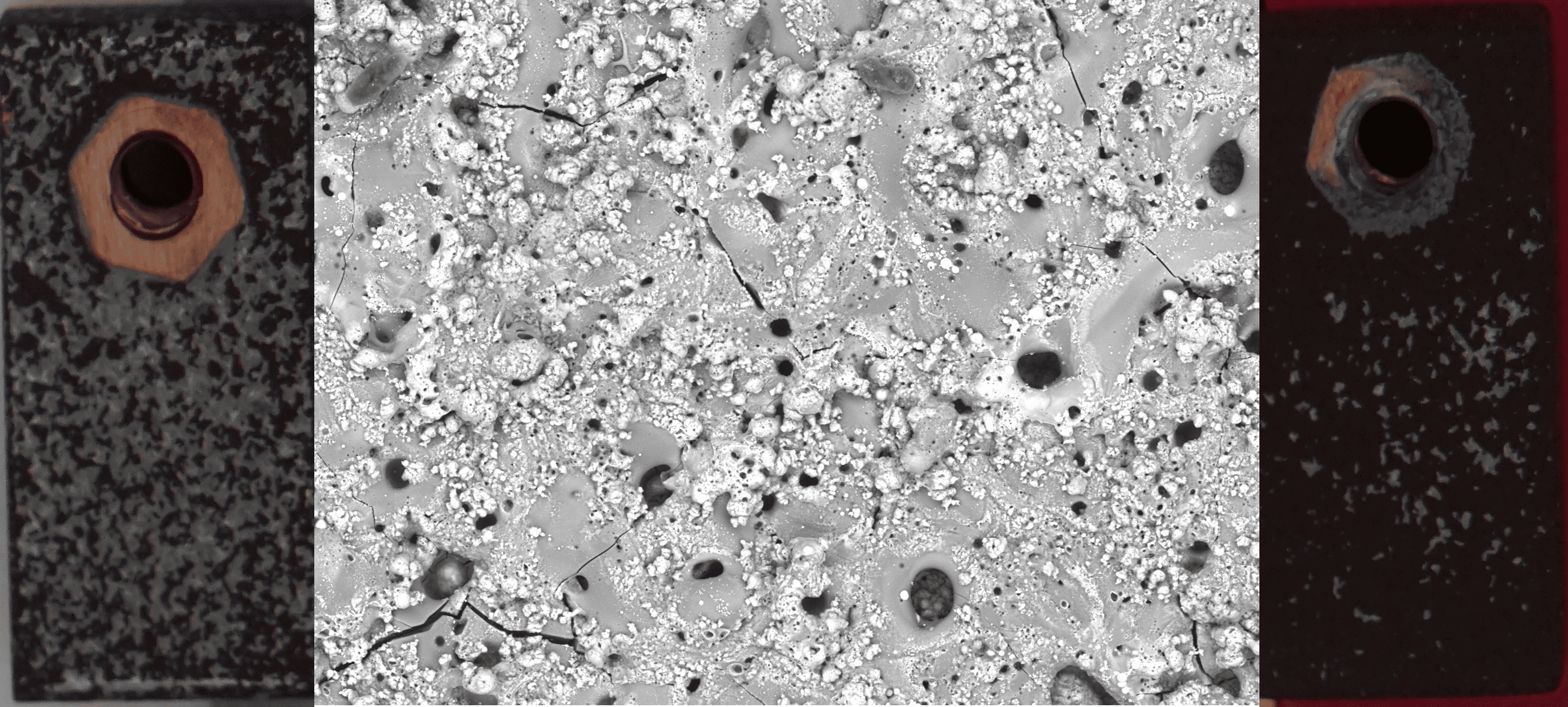
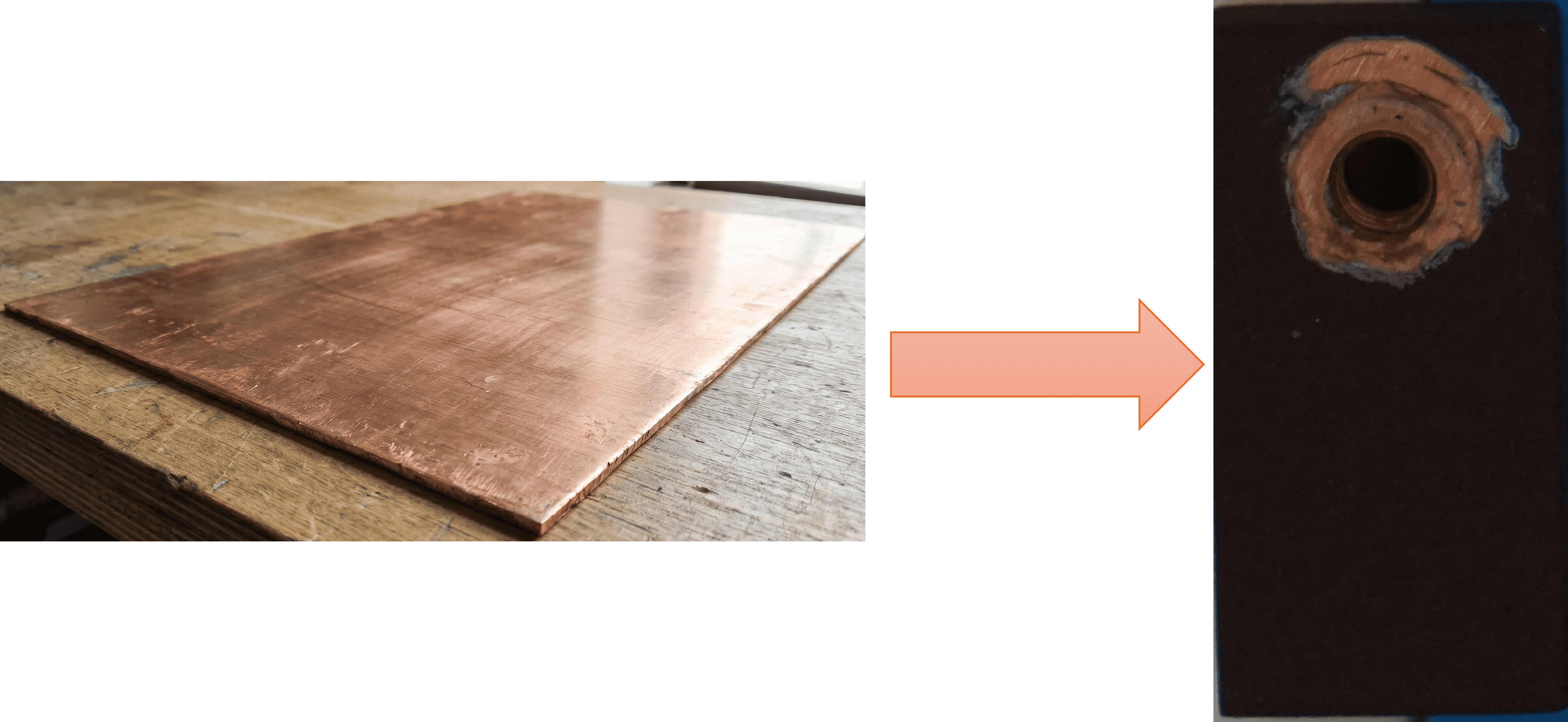
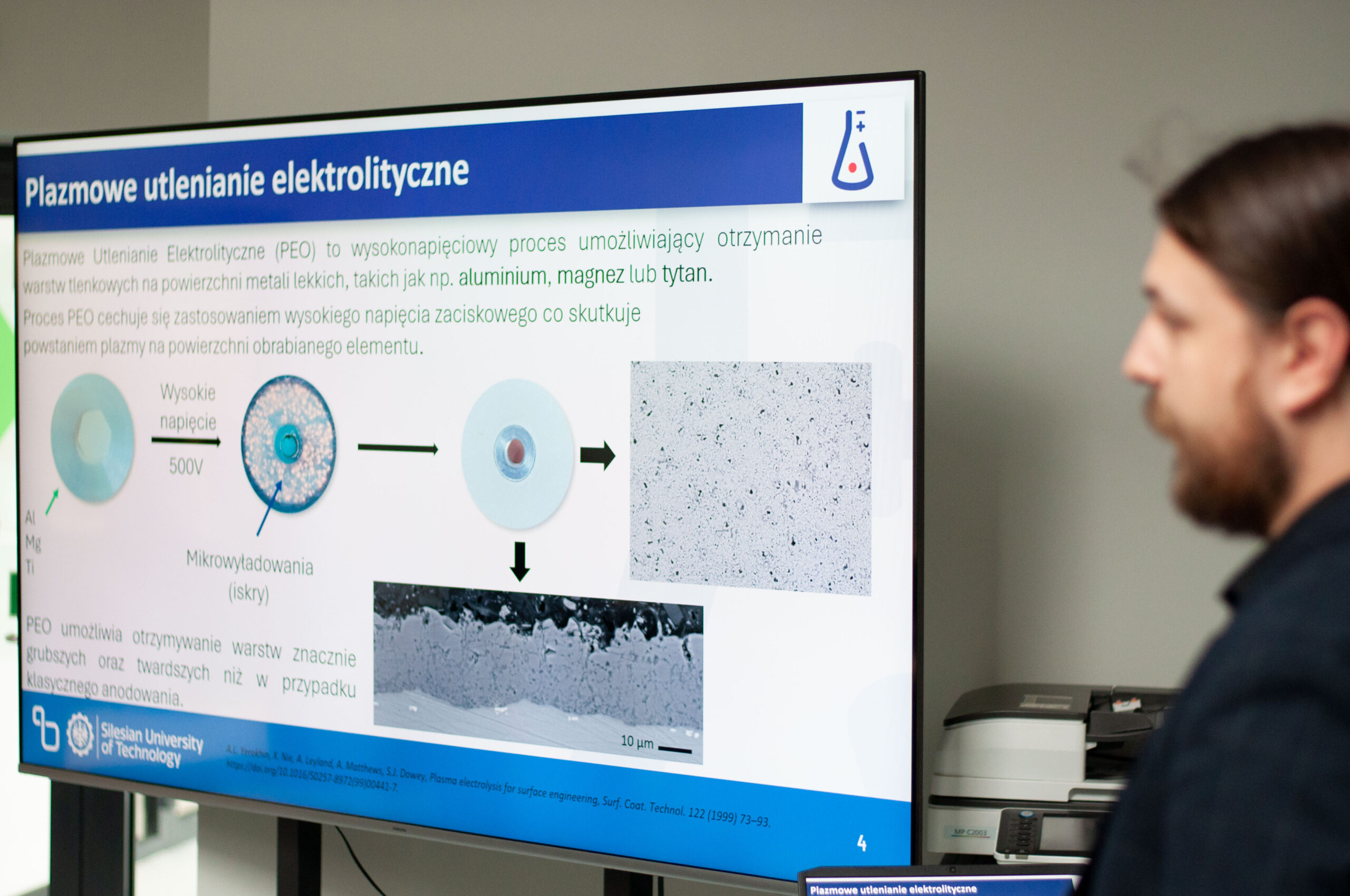
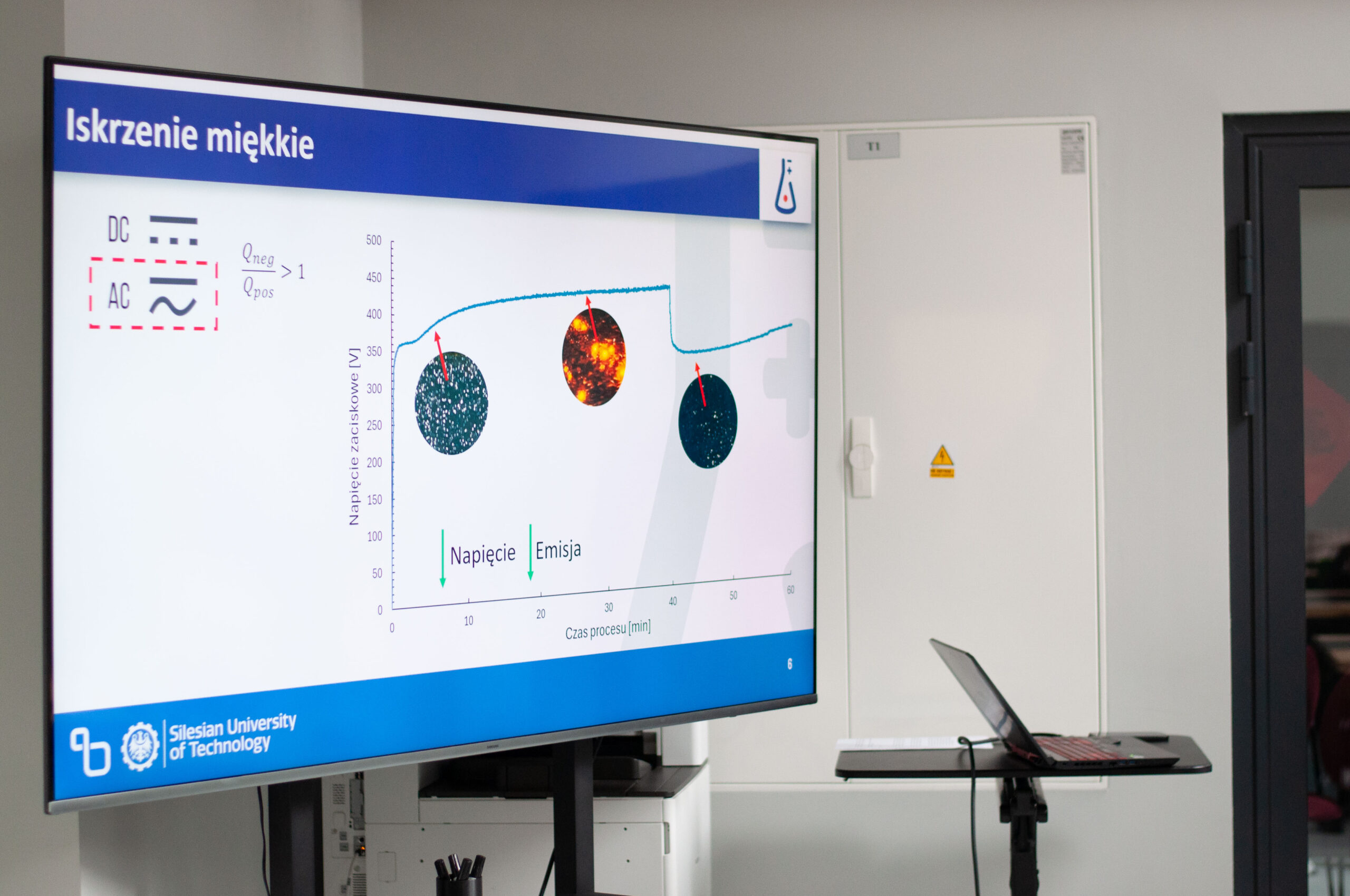
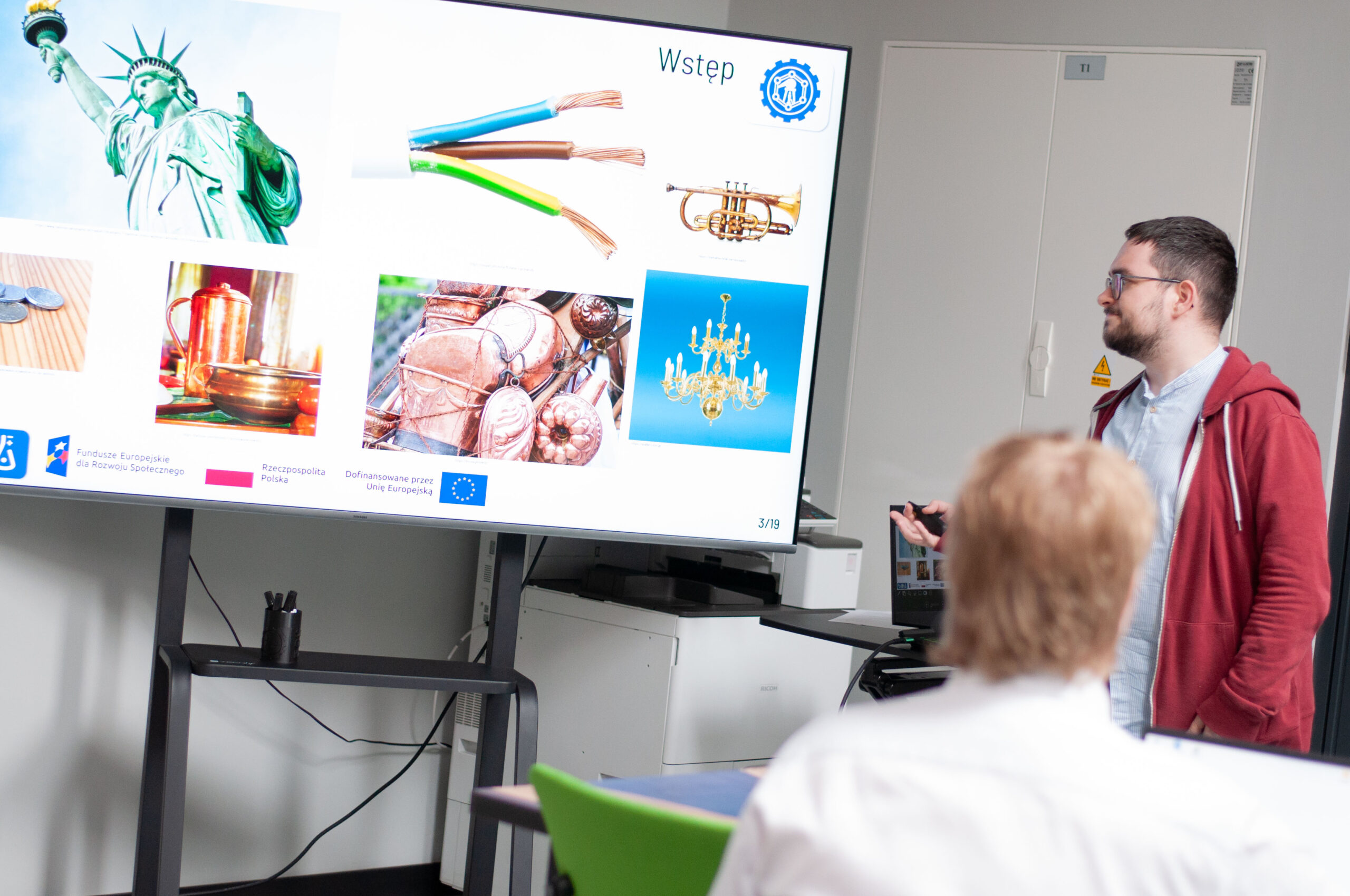
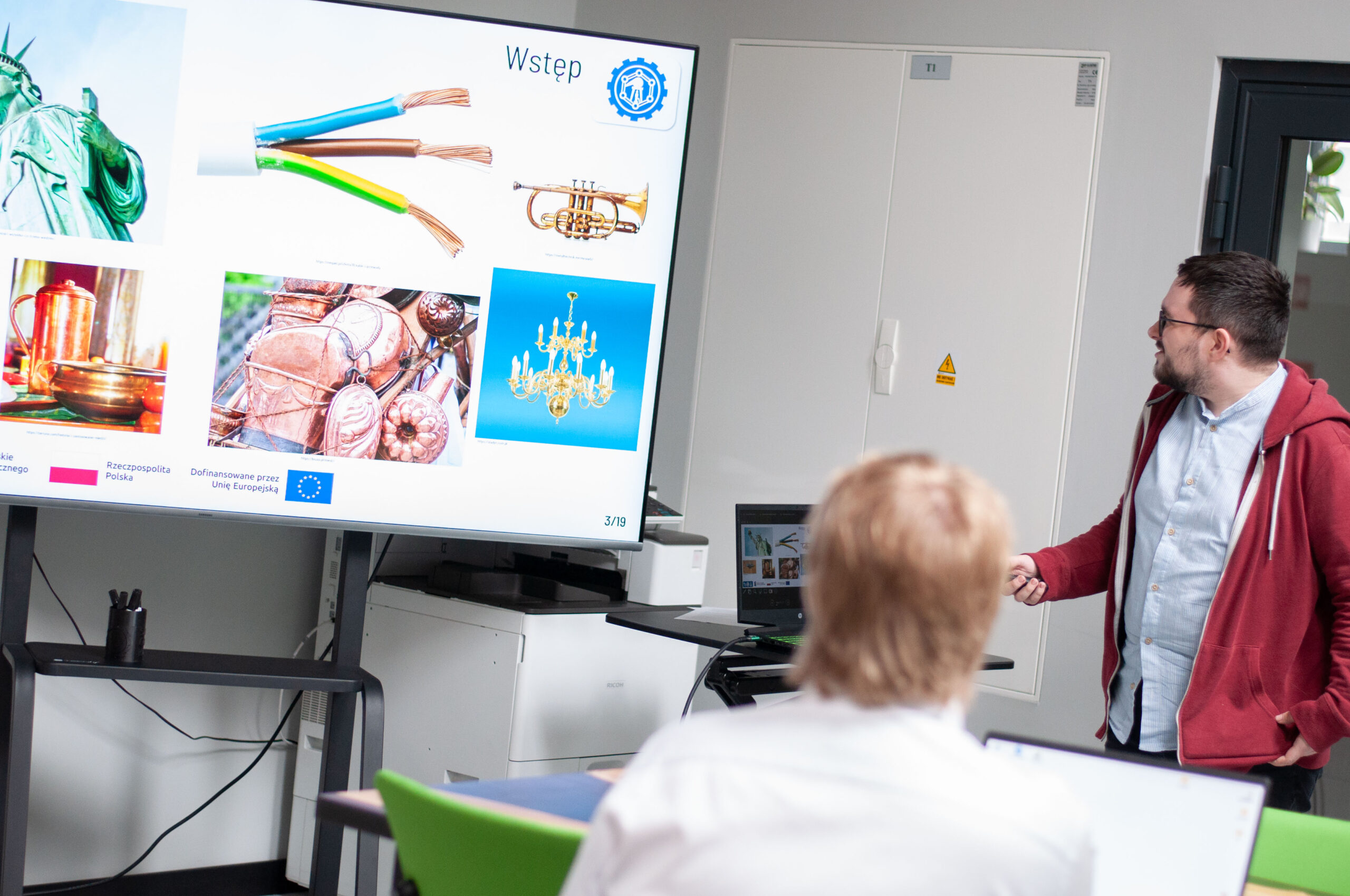
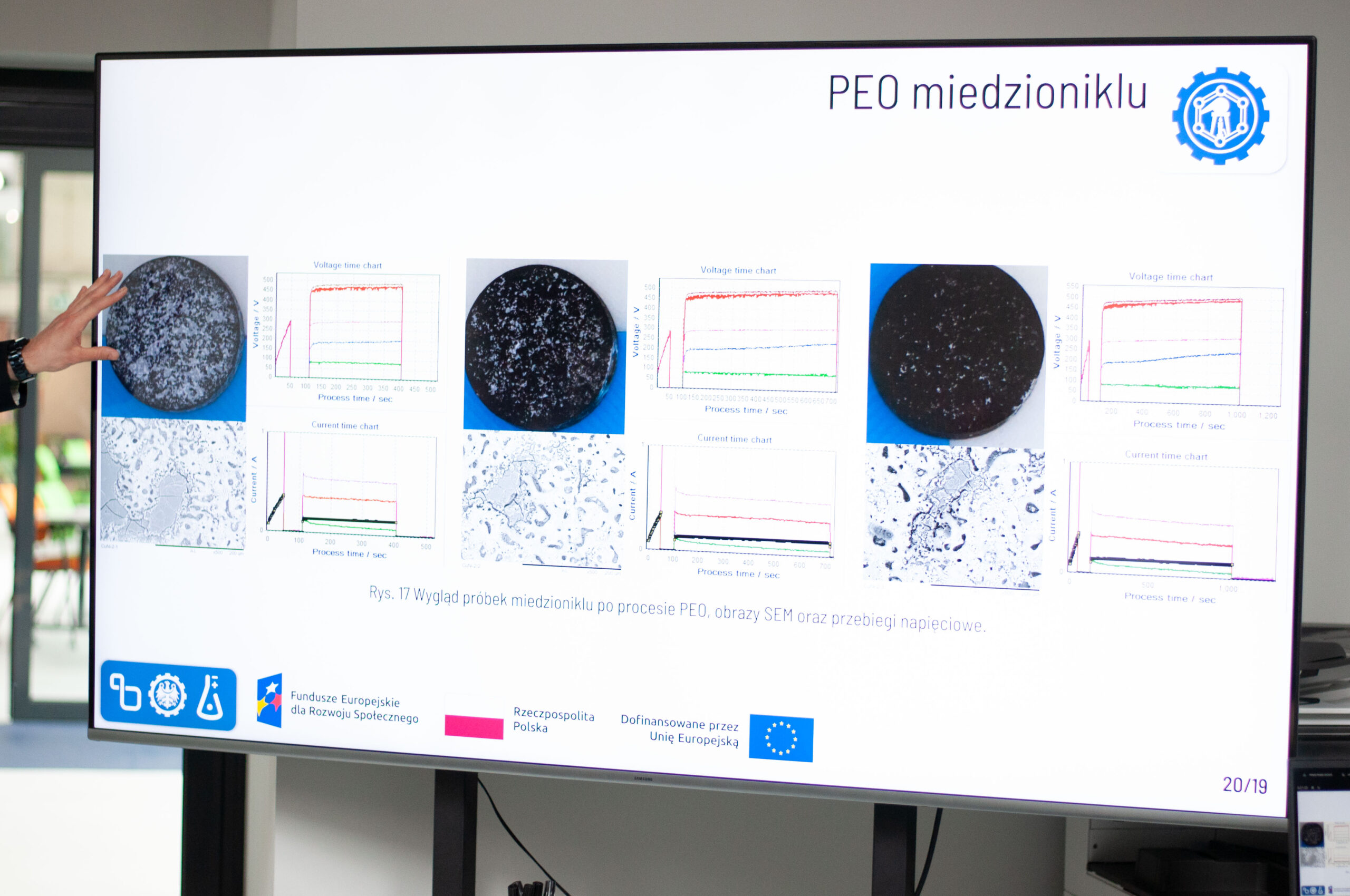
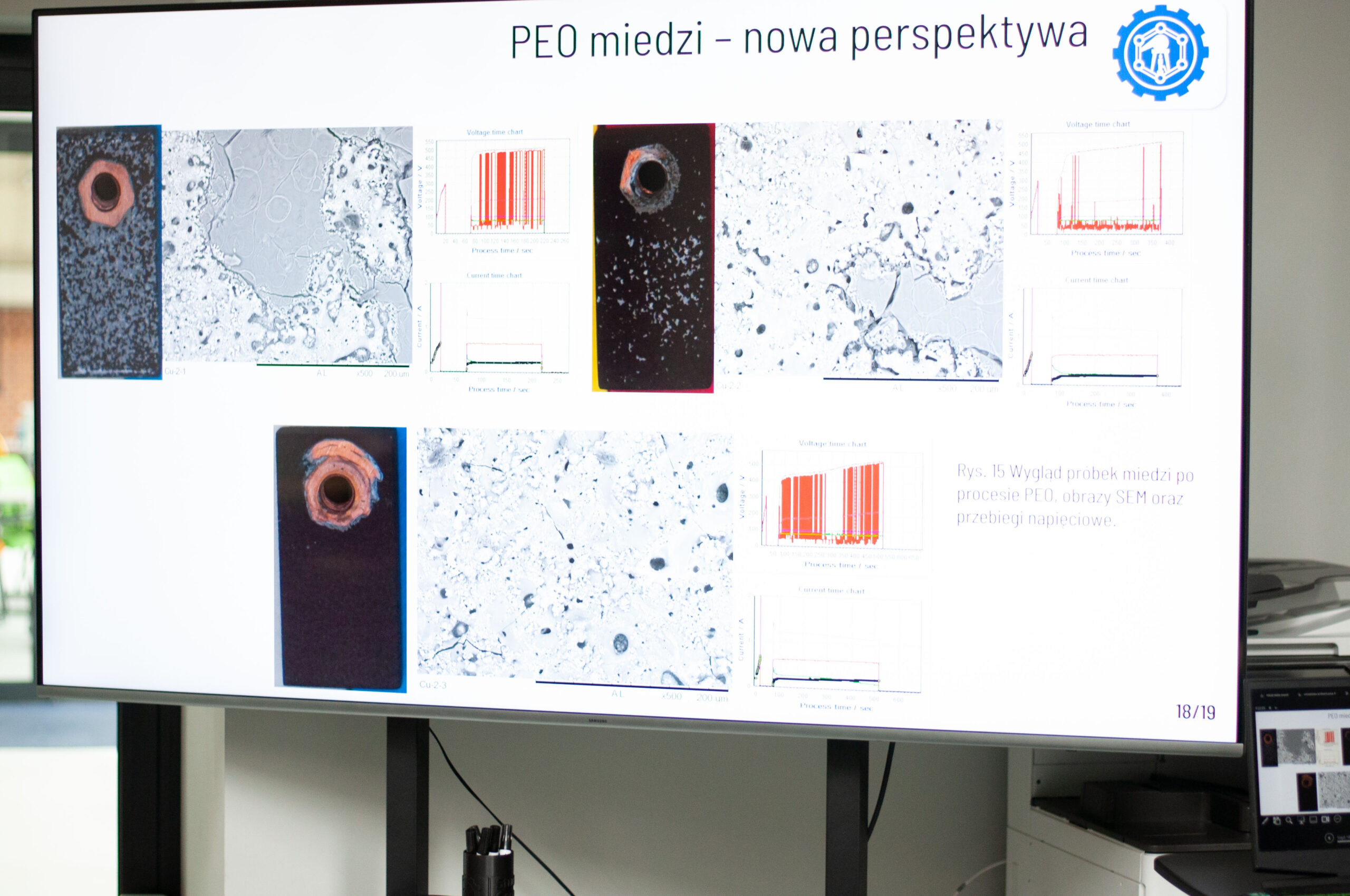
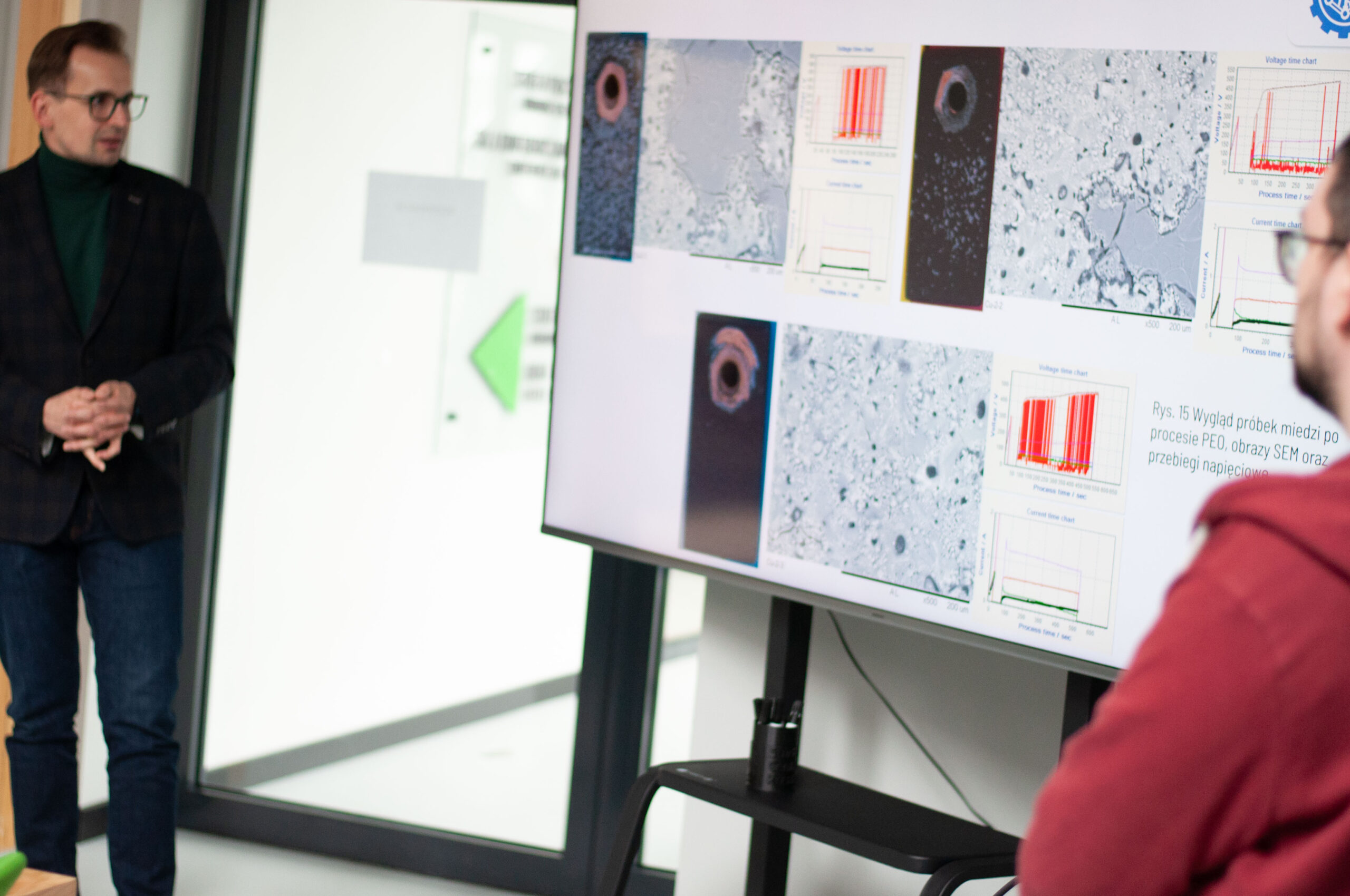
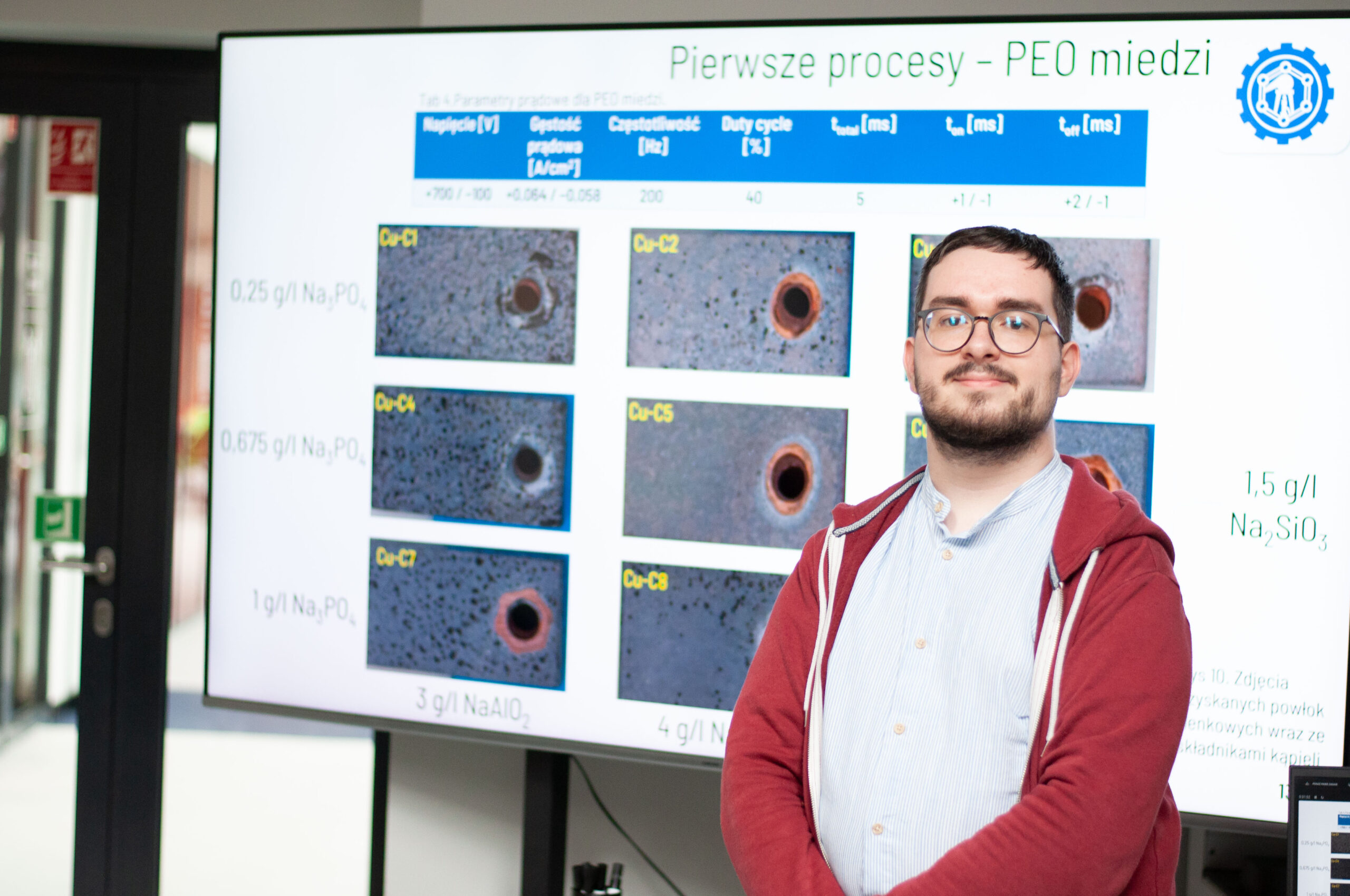
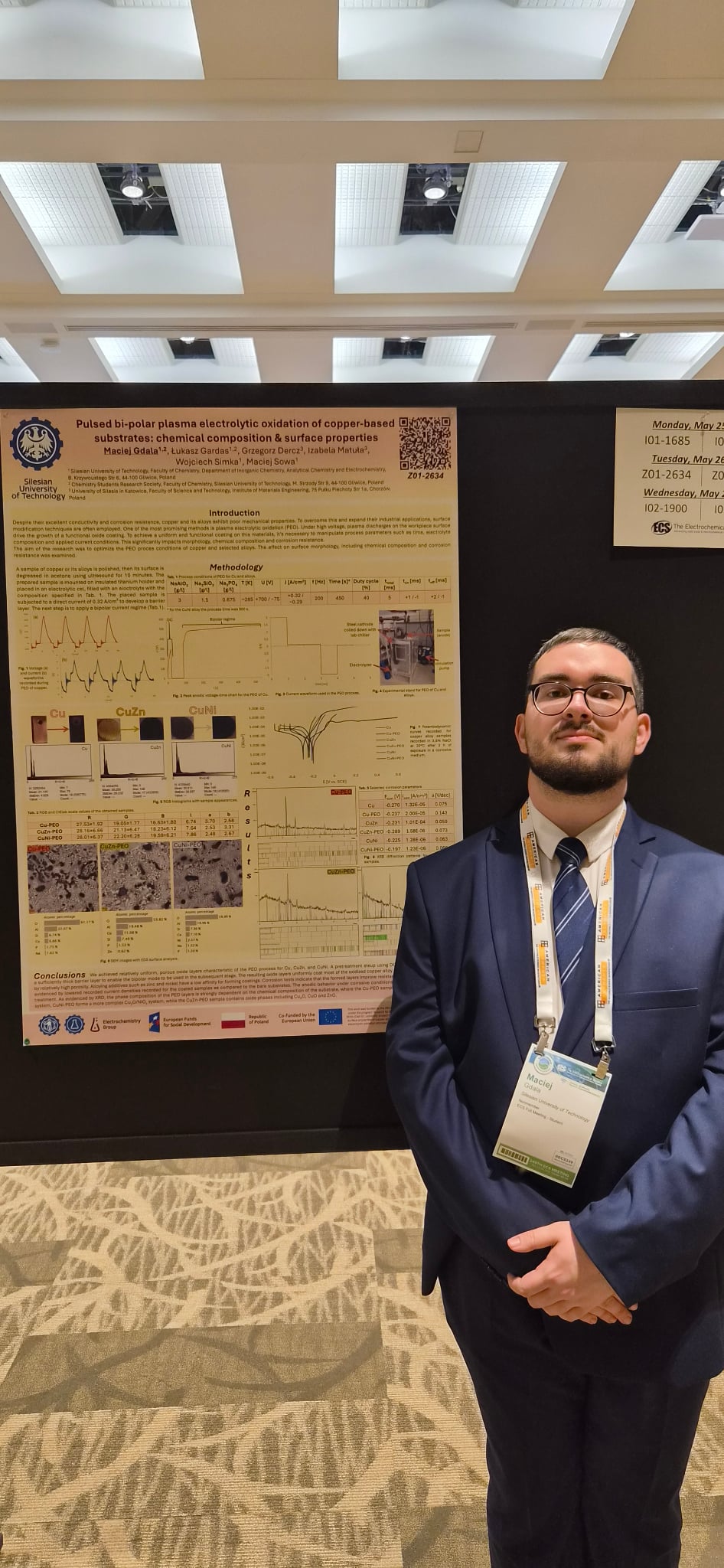
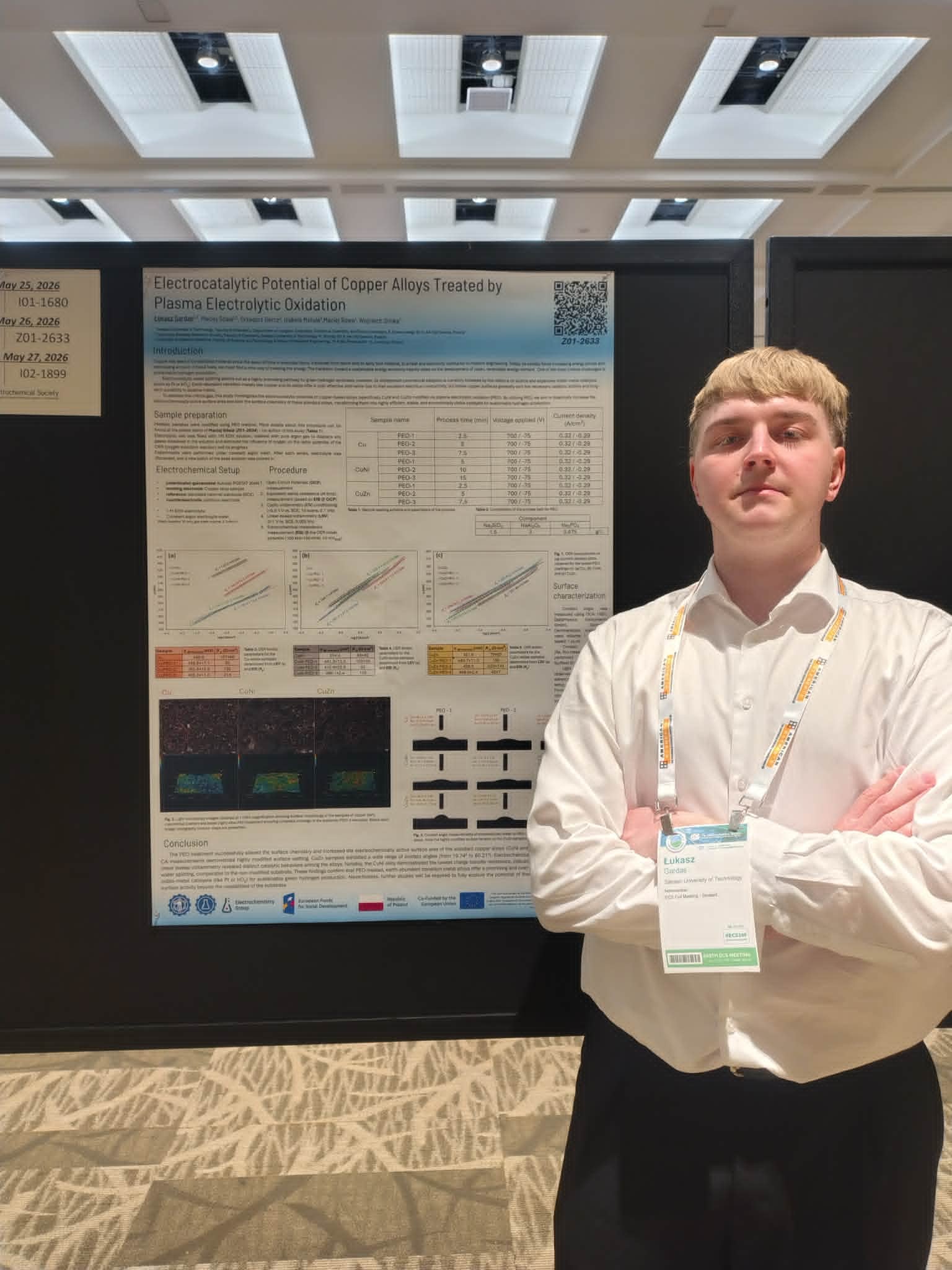
Copper and its alloys, such as brass and cupronickel, are valued for their excellent thermal and electrical conductivity; however, their broad application is often limited by low hardness, poor resistance to abrasive wear, and susceptibility to corrosion in aggressive environments. To overcome these barriers and limitations, surface modification using the plasma electrolytic oxidation (PEO) process can be applied. Through the generation of plasma micro-discharges on the metal surface, porous, tightly adherent ceramic coatings are formed, composed mainly of copper oxides. As a result of this process, conventional copper alloys can gain exceptional durability, including new surface properties such as electro- or photocatalytic functionality.
Advanced Coatings Engineering as the Key to a Better Tomorrow
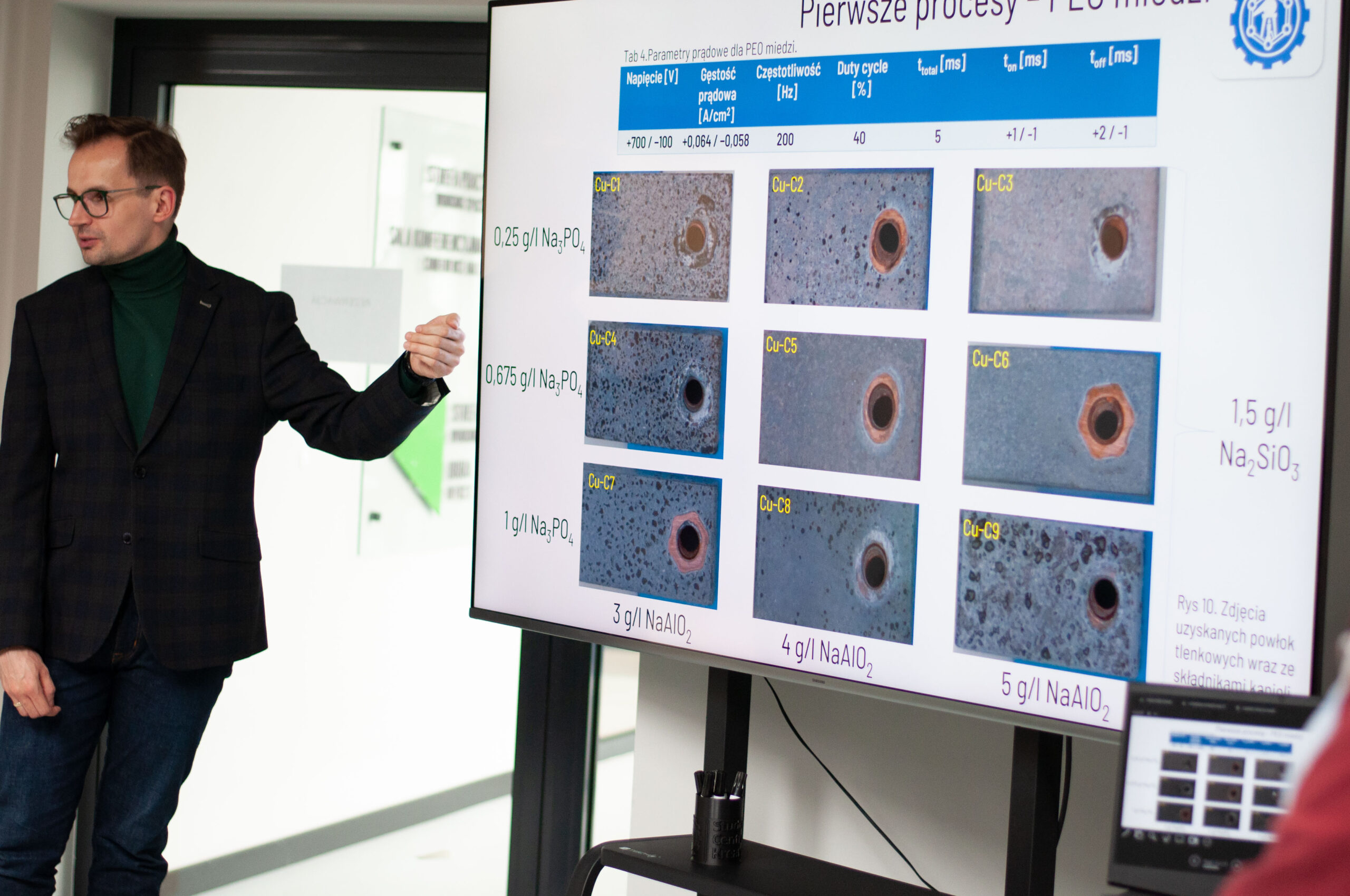
In order to produce high-quality PEO coatings, it will be necessary to optimize the process itself by investigating the influence of the composition of electrolytic baths (including those based on aluminates with phosphate additives) on the microstructure of the protective layer and its properties.
Future Applications: Photo‑ and Electrocatalysis
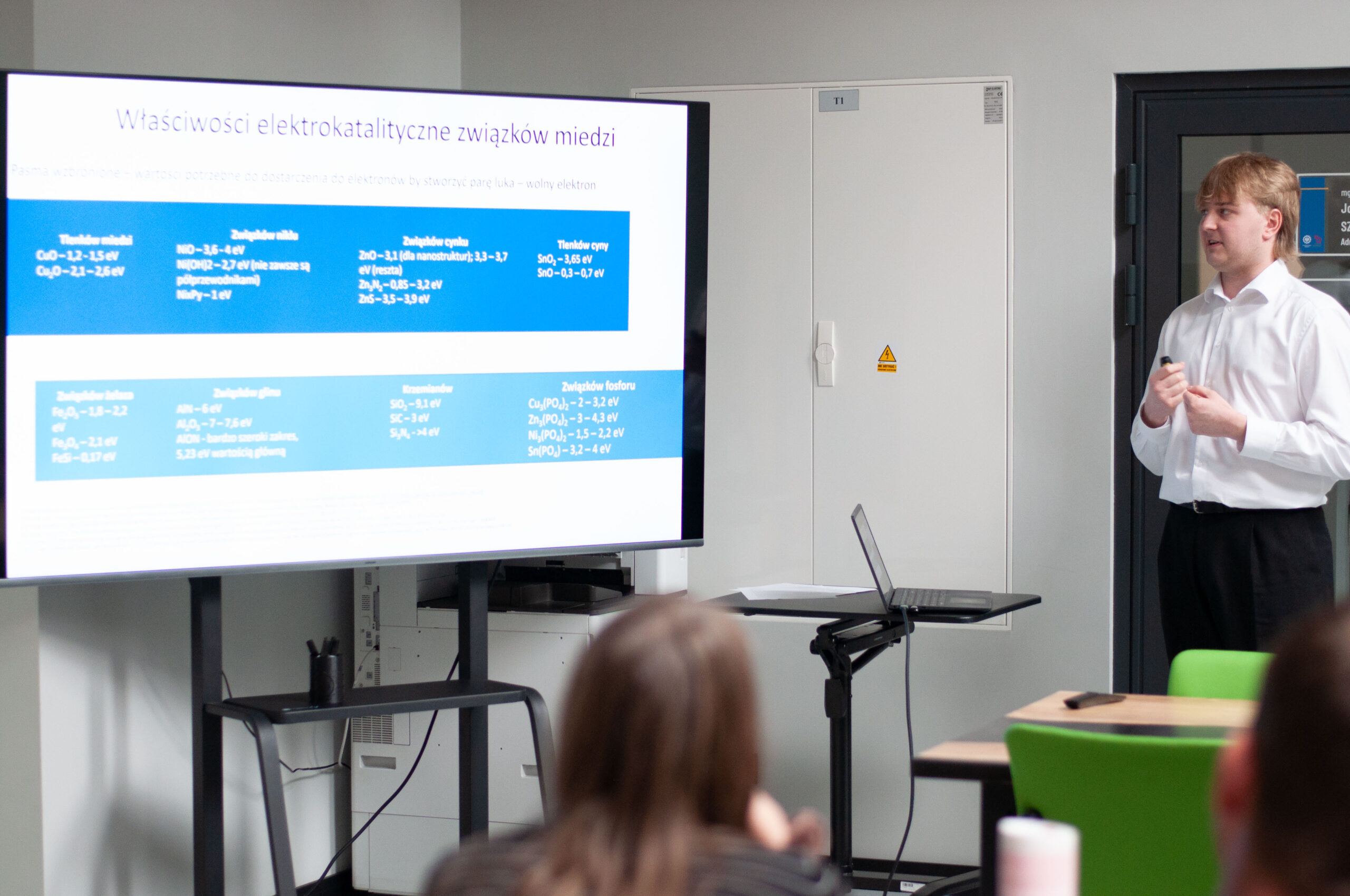
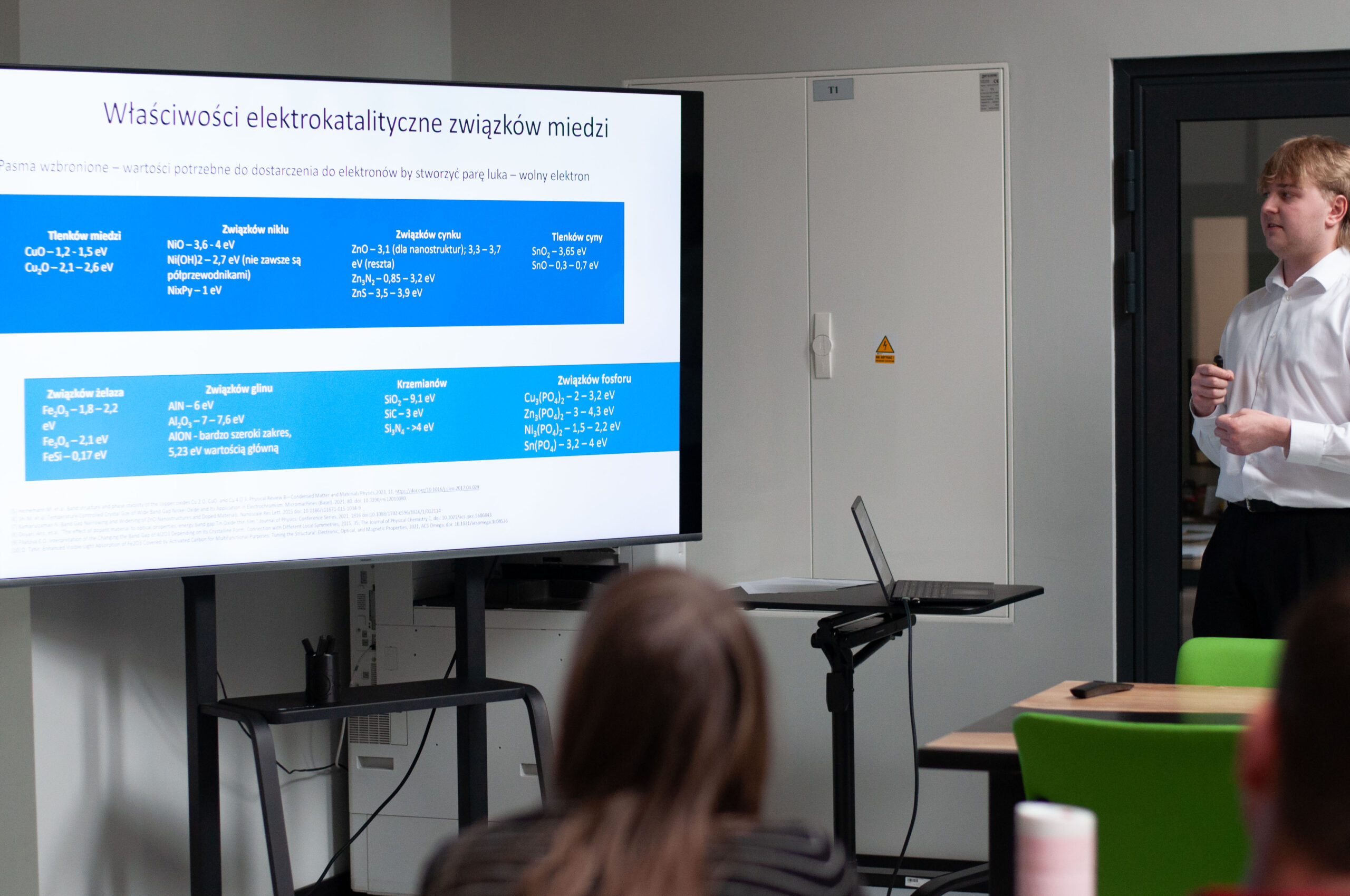
PEO technology paves the way for entirely new, unconventional applications of copper alloys. The complex oxide layers formed during the process exhibit unique semiconducting properties that can be tailored depending on the electrolyte used. The ceramic coatings produced on brass or cupronickel show significant potential for high photo‑ and electrocatalytic activity. As a result, these materials can be applied in solutions related to modern environmental remediation technologies or the processing of unwanted by‑products of human activity.
Project team
inż. Maciej Gdala
inż. Łukasz Gardas
dr inż. Maciej Sowa
Project Supervisor
dr inż. Marta Wala-Kapica Supervisor Responsible for Validation